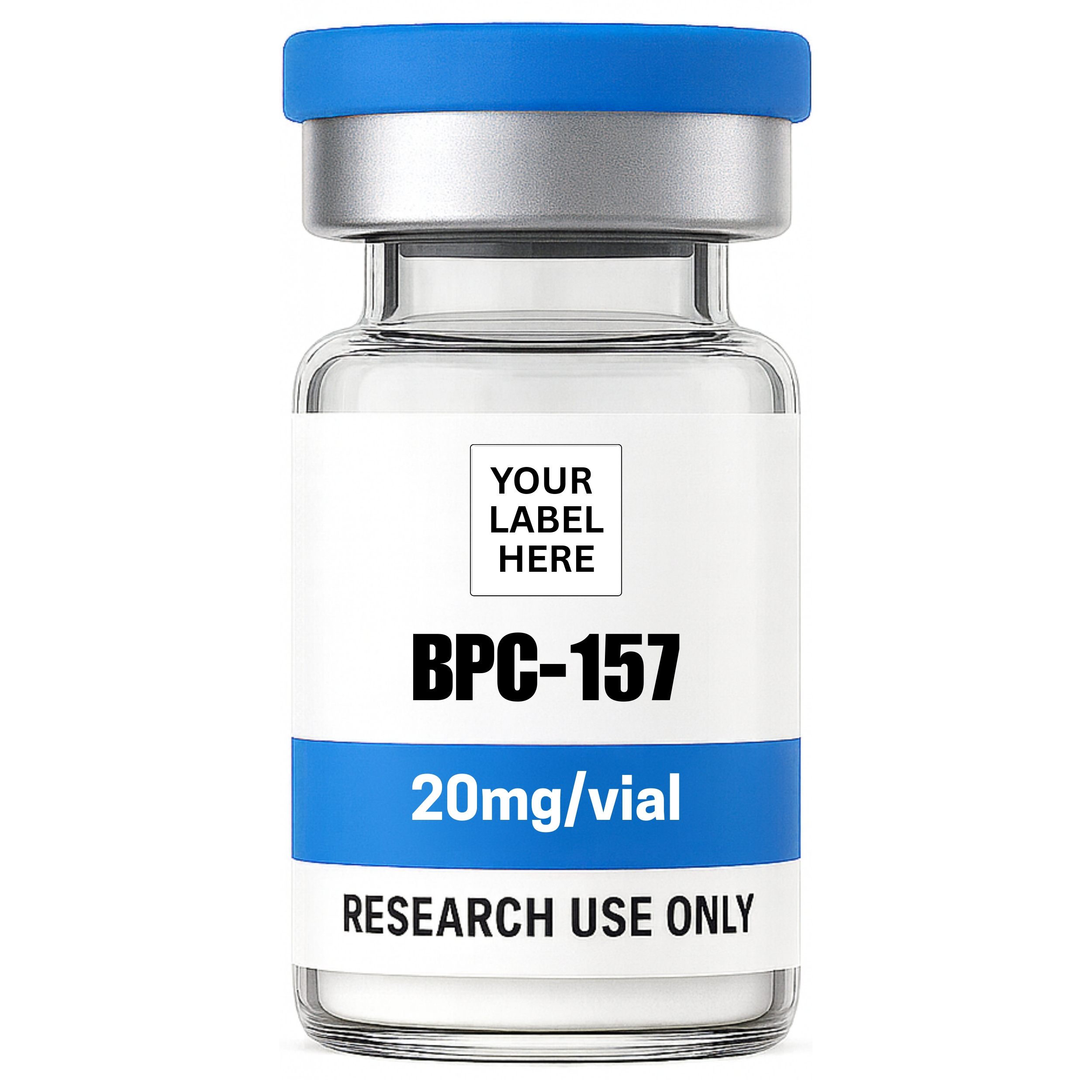
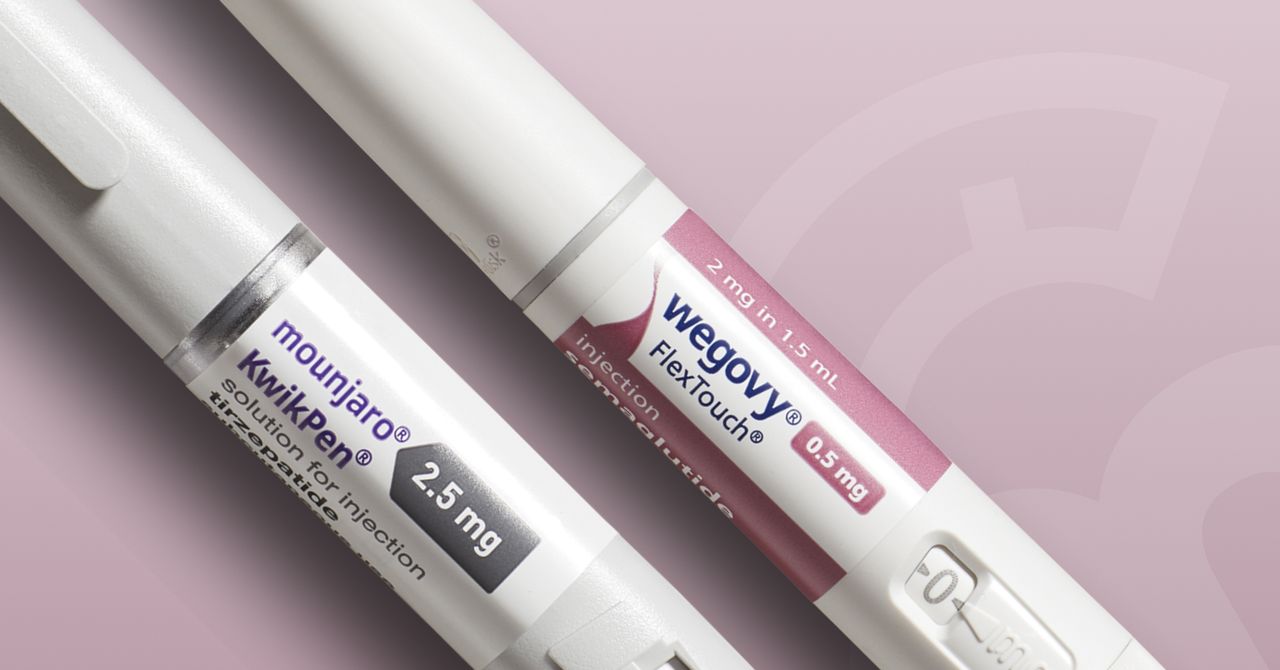
While animal studies suggest oral absorption and central nervous system exposure, controlled human pharmacokinetic data remain limited, and the oral bioavailability should be interpreted within an experimental research context
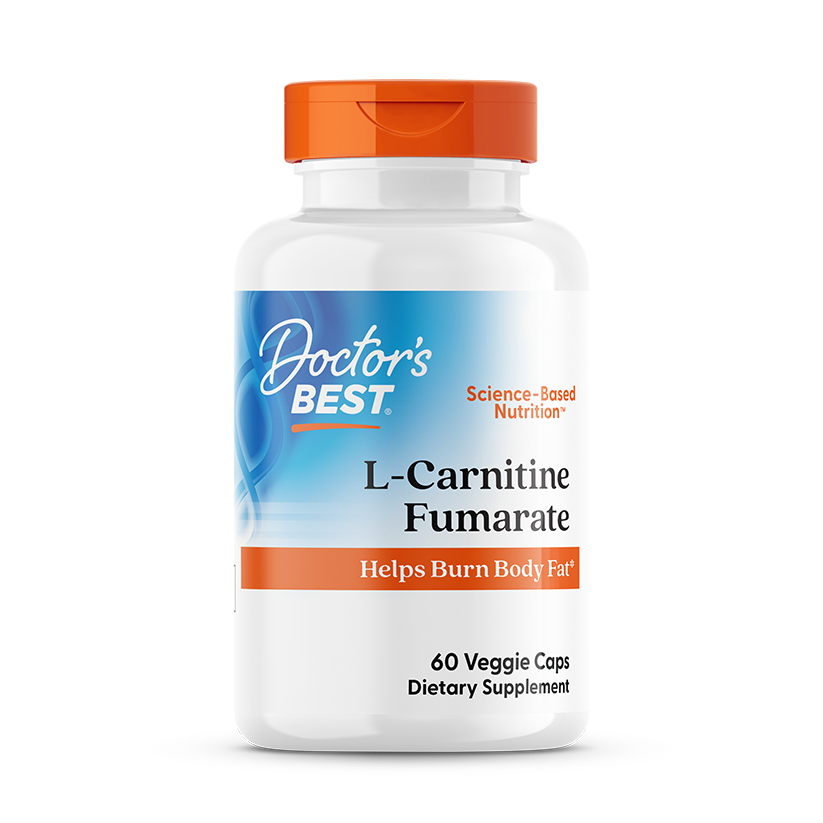
animal studies suggest it may support healing of gastric ulcers and damaged intestinal lining Preclinical models suggest it may help modulate inflammation, though this has not been established in controlled human trials Known risks and side effects: Because it is sold as an unregulated research chemical rather than a manufactured pharmaceutical, product purity and dosing accuracy cannot be verified, and the FDA has flagged potential impurities and manufacturing-quality concerns FDA's Category 2 determination specifically cited potential immune reactions and hypersensitivity as a safety concern User-reported (non-clinical-trial) effects include injection-site irritation, redness, or swelling, along with occasional headache, nausea, or lightheadedness, based on anecdotal reporting rather than controlled studies No long-term human safety data exists
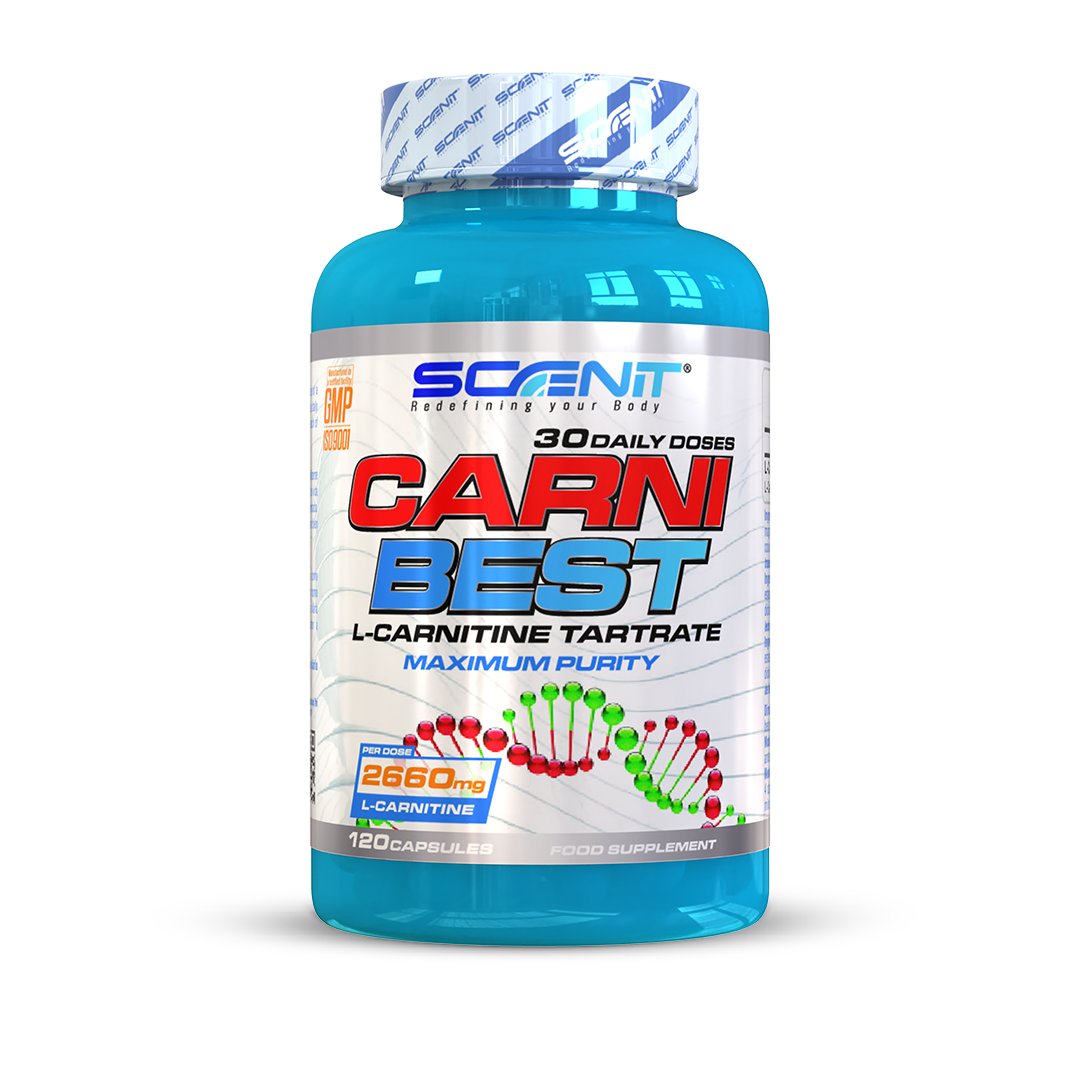
Peptide therapy uses targeted chains of amino acids to naturally stimulate cellular repair, hormone balance, fat metabolism, and anti-aging effects
The role of alternative lengthening of telomeres mechanism in cancer: translational and therapeutic implications