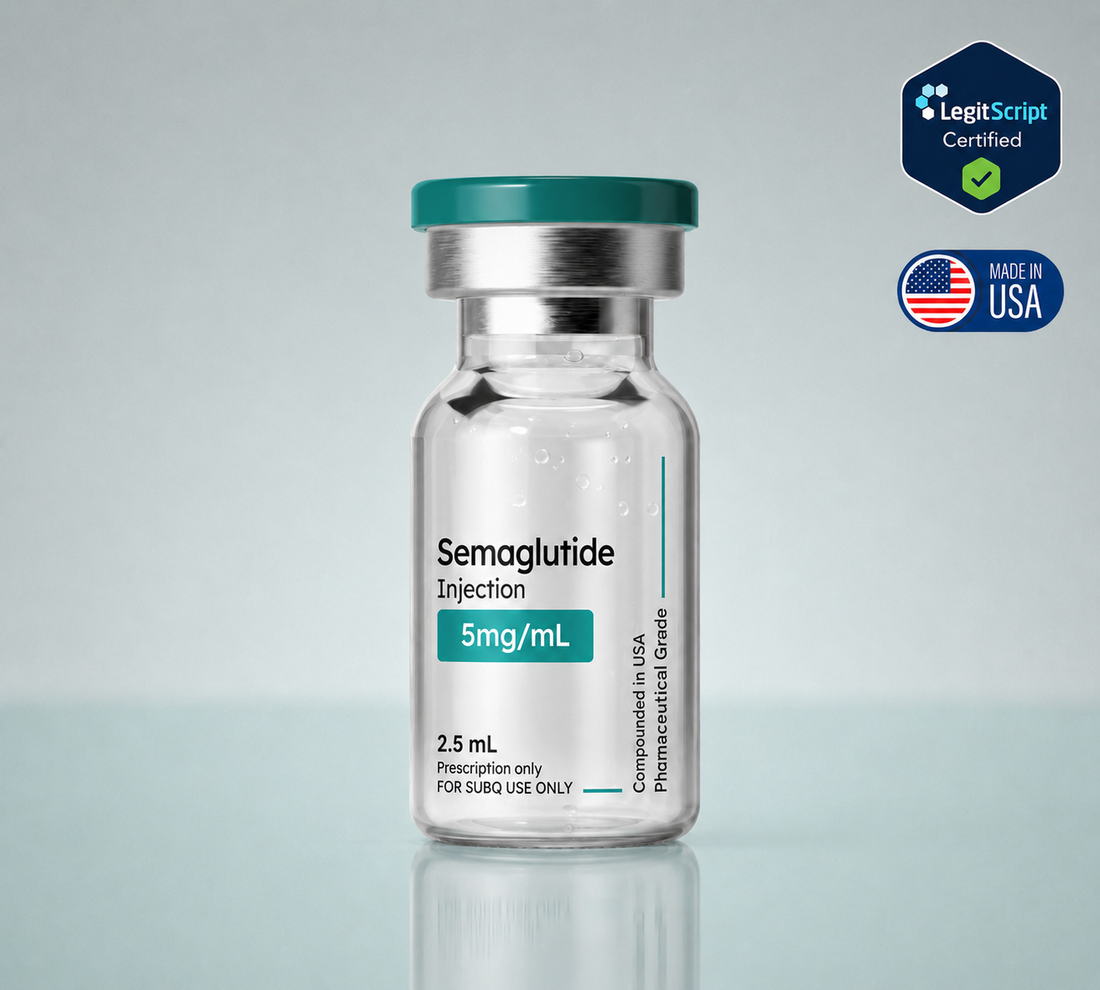
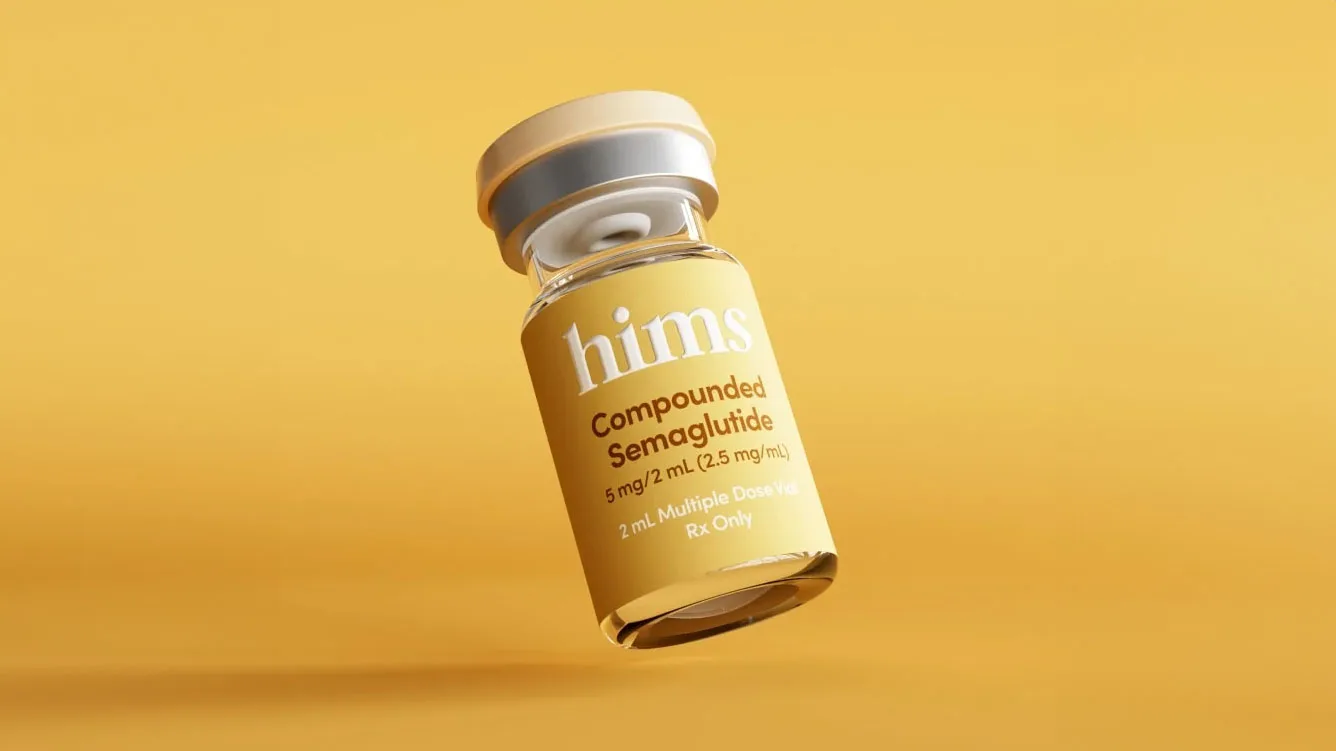
Key Background The World Health Organization considers substandard and falsified medical products to be one of the urgent health challenges for the next decade. It said such products are manufactured to imitate or replace similar certified products and may contain no active ingredient, the wrong active ingredient or the wrong amount of the correct active ingredient. Fake or poor quality medicines can be dangerous, even deadly, to individuals and cause problems for health systems, the supply chain and societies as a whole, the WHO warned, adding that no country remains untouched from this issue. Falsification can affect anything from generic inexpensive pain medication through to expensive, cutting edge medicine, it warned, with some products found to be toxic and many produced in very poor and unhygienic conditions by unqualified personnel. While some drugs can be made with relative ease in clandestine labs, GLP-1 drugs like semaglutide are relatively complex molecules that can be difficult to make and the injectable nature of the drugs means sterile conditions must be maintained when producing them
Customers can shop copper peptide face serum, face cream, cleanser, masks, GHK-Cu hair serum, shampoo, conditioner, scalp spray and complete routines
Experts said trials in which GLP-1s are added to standard treatment in some cancer patients but not others are needed to establish clear anti-cancer benefits
We therefore investigated how once-per-day CR and energy restriction alone impact mTORC1 signaling in the brains of the AD mice