Zegers-Hochschild F, Adamson GD, Dyer S, Racowsky C, de Mouzon J, Sokol R, et al

Observed responses may vary depending on: Research amount UV exposure Administration frequency Skin type Neurochemical sensitivity Overall physiological response Commonly Reported Research Observations Temporary nausea-related observations Flushing or warmth-related observations Mild headache-related observations Temporary fatigue- or light-headednessrelated observations Administration-site redness or irritation Increased freckling or pigmentation variability Darkening-related pigmentation variability involving freckles, moles, or existing pigmentation Temporary appetite-related response variability Pigmentation & UV-Response Research Considerations Because Melanotan II is researched for its interaction with melanogenesis and pigmentation-related pathways, some research settings may observe: Variability in pigmentation-response signaling Uneven pigmentation-related responses Increased UV-sensitivity variability Gradual increases in pigmentation-related observations over time Individual variability in melanogenesis-related responses Neuroendocrine & Melanocortin Research Considerations Research involving Melanotan II commonly investigates pathways associated with melanocortin and neuroendocrine signaling

Diabetologia 36:741744 Meier JJ, Ritter PR, Jacob A et al (2010) Impact of exogenous hyperglucagonemia on postprandial concentrations of gastric inhibitory polypeptide and glucagon-like peptide-1 in humans
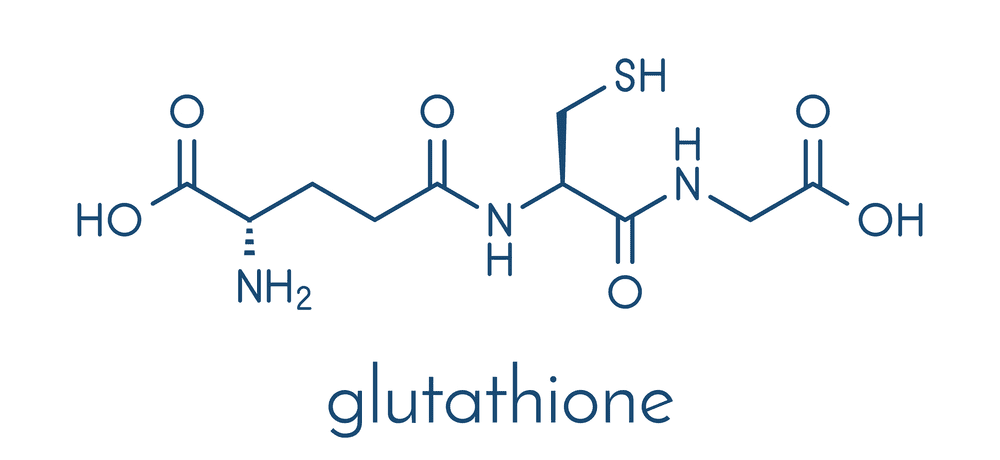
Glutathione acts as a frontline defence , neutralising these harmful free radicals before they can damage DNA, proteins, or cell membranes