Key research themes involving glutathione include: Scavenging of free radicals (e.g., peroxides, nitrogen dioxide, hypochlorous acid) Support of other antioxidant systems (e.g., vitamin C and vitamin E recycling) Detoxification via glutathione S-transferases and related enzymes Regulation of protein folding, disulfide-bond formation, and thiol redox status Modulation of inflammatory mediators, nitric oxide pathways, and cellular metabolism Because endogenous glutathione synthesis capacity appears to decrease with age in many models, glutathione is frequently used as both an experimental variable and a biomarker in studies of aging, disease susceptibility, and redox imbalance
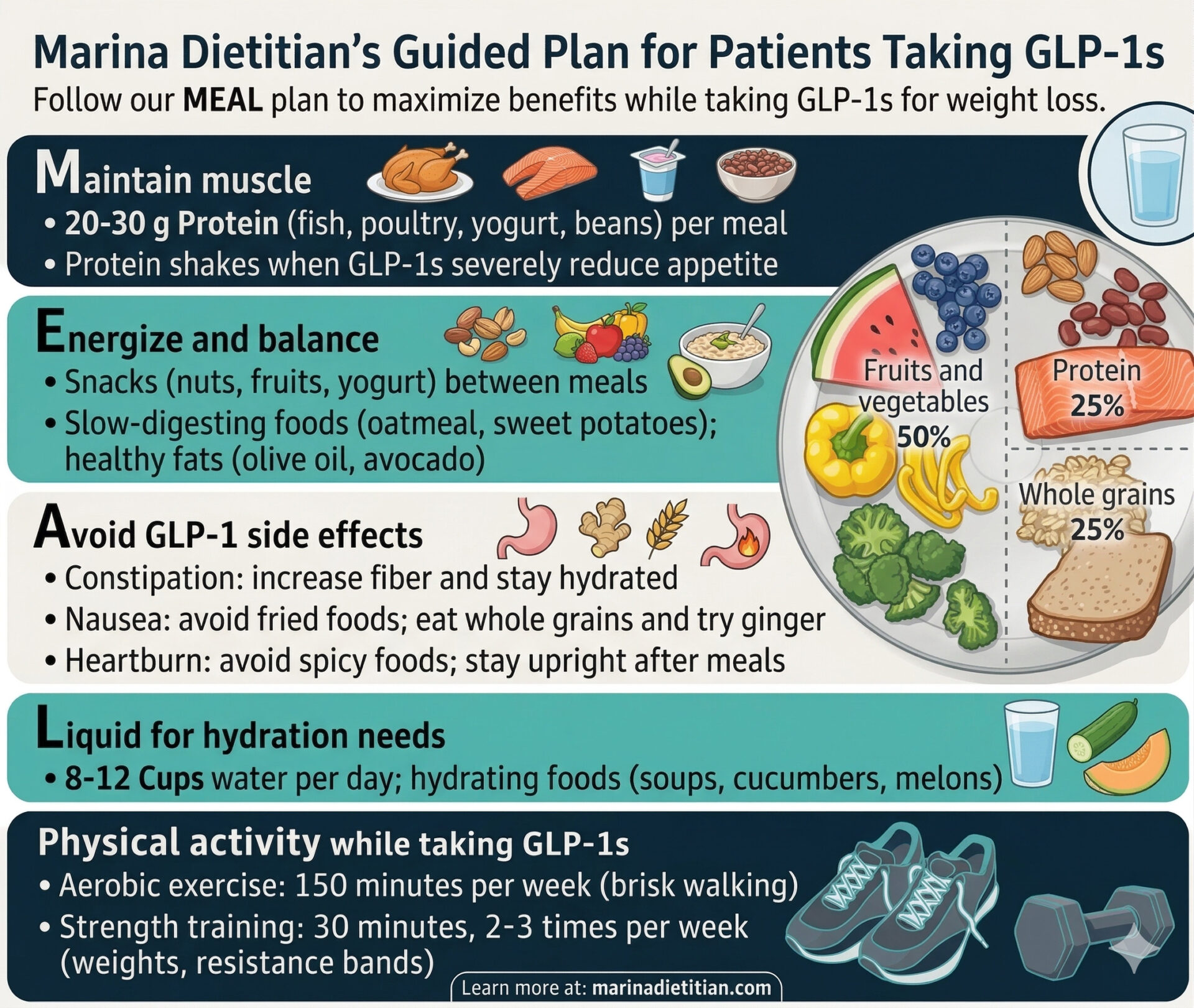
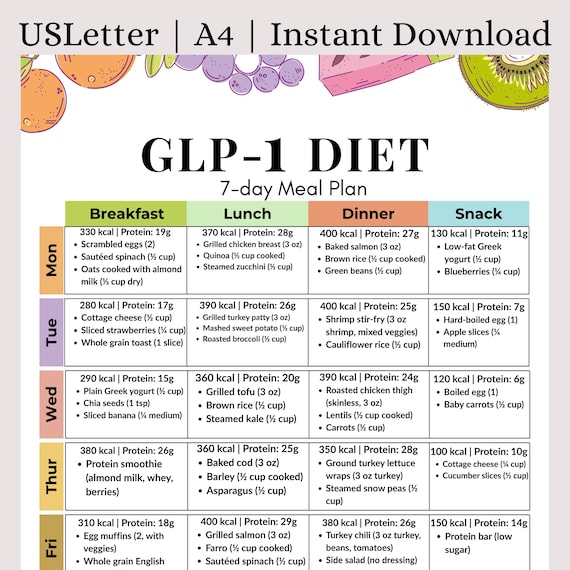
While the standard recommendation is 0.8 grams per kilogram of body weight, patients on GLP-1 medications should aim higher: Target intake: 1.2-1.6 grams of protein per kilogram of body weight daily Distribution: 25-30 grams per meal, spread across 3-4 meals Priority sources: Complete proteins containing all essential amino acids (eggs, fish, poultry, dairy, or combined plant sources) For a 170-pound (77 kg) patient, this translates to approximately 92-123 grams of protein daily
These patients had all failed at least 1 year of standard treatment
Regular monitoring and open communication with your doctor ensure your treatment stays on track








:max_bytes(150000):strip_icc()/Simple-7-Day-GLP-1-Friendly-Meal-Plan-for-Beginners-Created-by-a-Dietitian-69f3d02b6c2c41928135df7f0c417552.jpg)