
glp-1 memphis
Shipping Estimate
glp-1 memphis 4 Tips to Maximize Nutritional Goals While On a Slim N Trim™ GLP-1 Mango
USD24.18
USD49.18
Pay in 4 interest-free payments of $6.04 Learn more
Shipping Estimate
USA
- USA
- CAN
- USA
- CAN
Ships within 48 hours · Estimated delivery Jul 31 - Aug 5





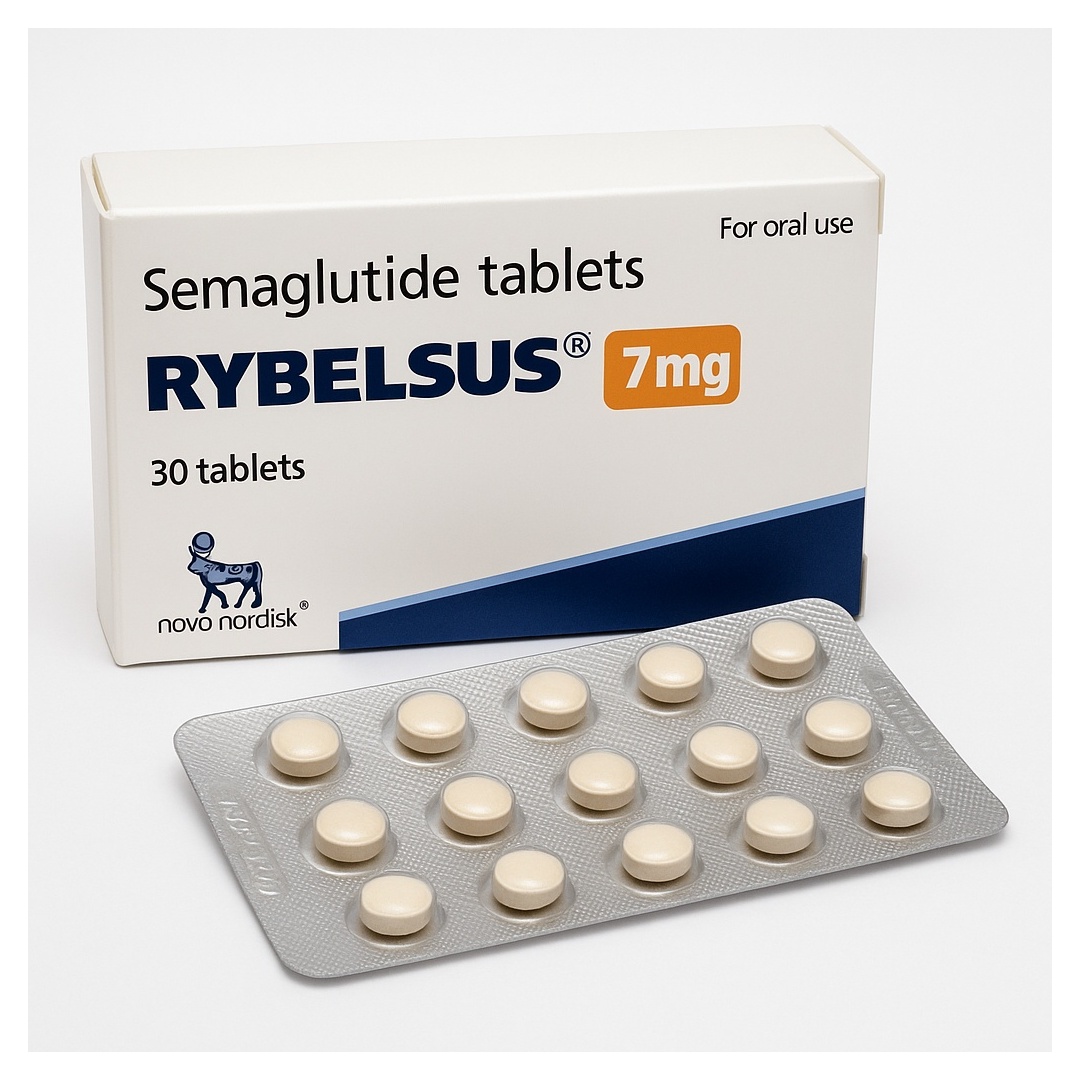
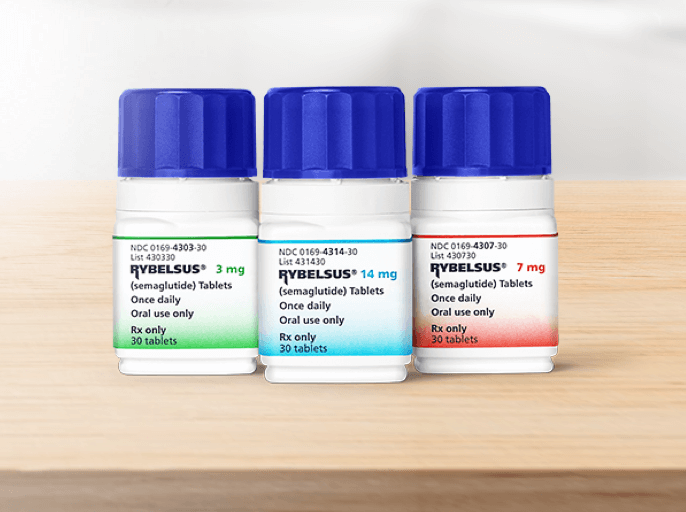
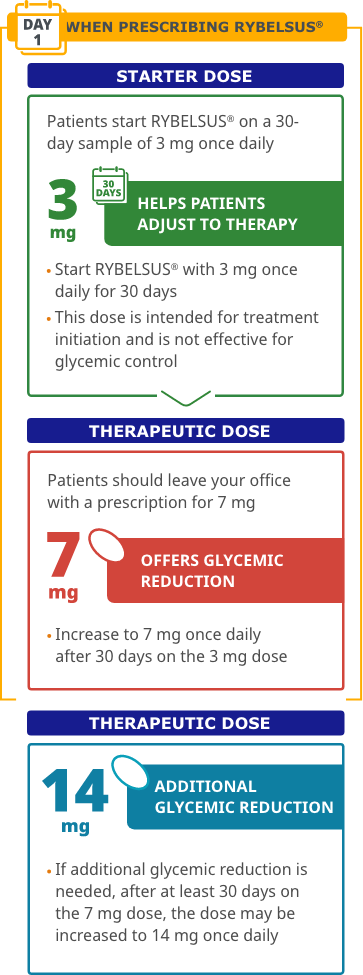








![FORD RANGER T6 BRAKE CALIPER RH (U) [BC015] TOYOTA FJ](https://cdn.shopify.com/s/files/1/0689/6140/3160/files/e0f265f8-a83c-4587-a1c6-a80d542d421e.jpg?v=1741771582)
