Mechanical Agitation Damage Shaking a peptide vial is the single most common way researchers unintentionally damage a compound during reconstitution
Although significant progress has been made in characterizing AOD9604's molecular properties, scientific investigations continue to explore receptor regulation, intracellular signaling dynamics, peptide engineering, molecular adaptation, and growth hormone fragment biology
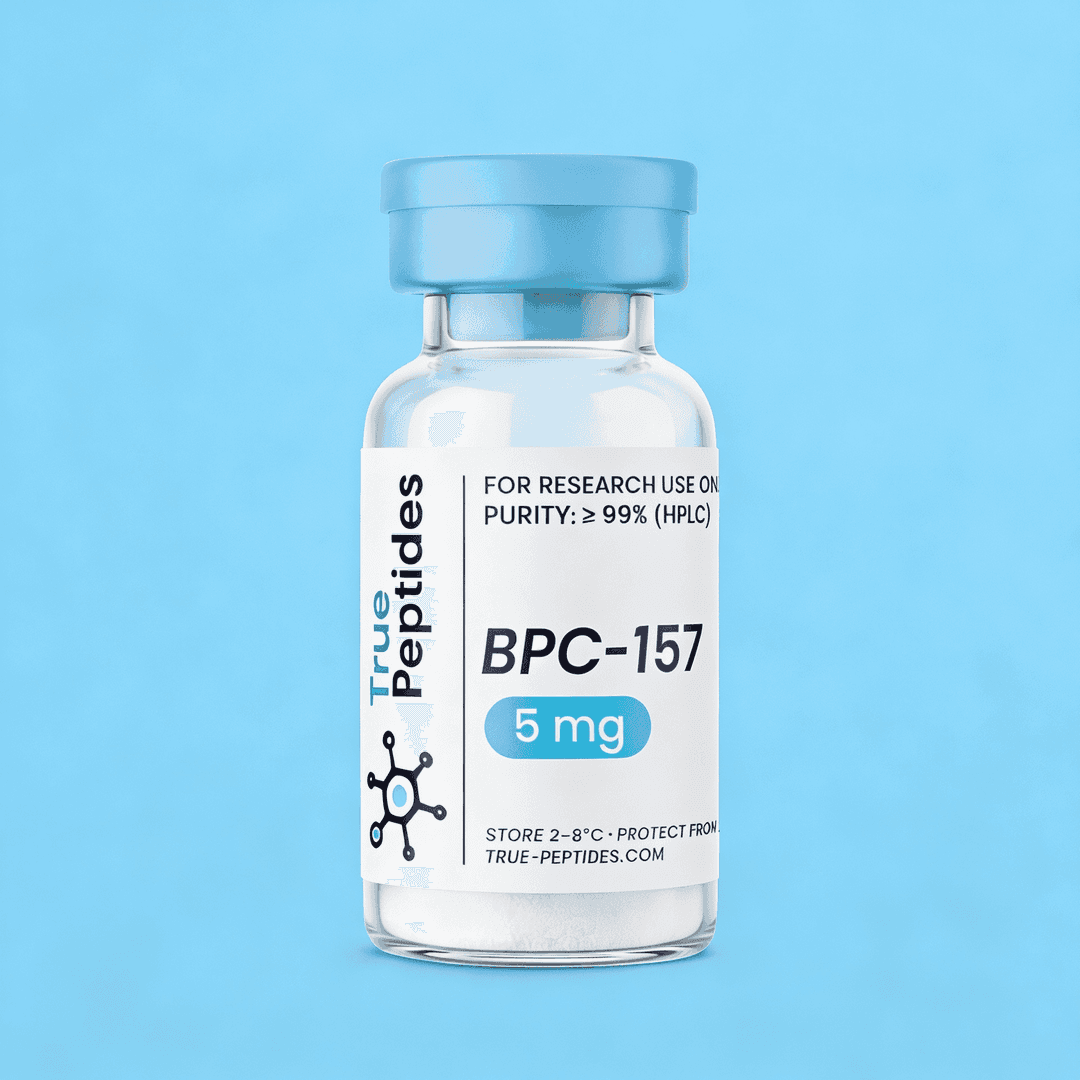
Proposed Mechanisms of BPC-157 Animal and laboratory data suggest that BPC-157 may: Stimulate angiogenesis , promoting new blood vessel formation to improve nutrient delivery to injured tissues
The Pickart 2018 review documented effects on collagen synthesis, anti-inflammatory signaling, nerve regeneration, and stem cell recruitment (Pickart et al., Int J Mol Sci, 2018)